Successfully implemented training for construction industry activities!
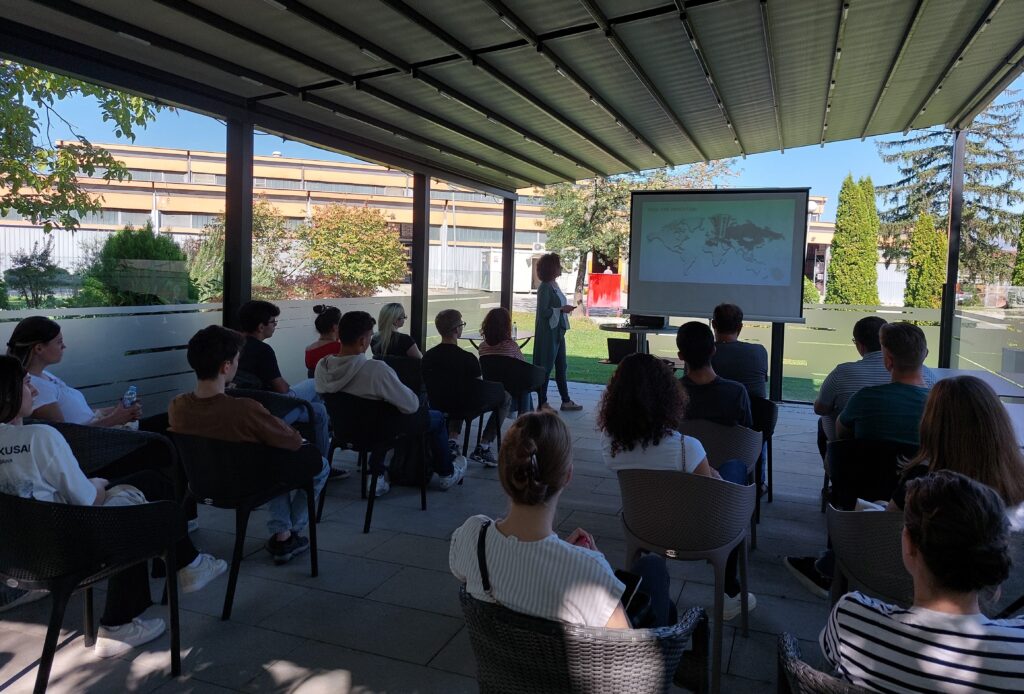
From 18th to 25 September 2024, our organisation successfully held a six-day training at the Faculty of Civil Engineering in Skopje as part of the Bridging the gender and age gap on the labour market through capacity building and promotion of new job opportunities in cross border region – CBC job gender and age equalizer project. The training attracted over 30 participants, offering a comprehensive program designed to equip them with practical knowledge and insight into key aspects of the construction sector.
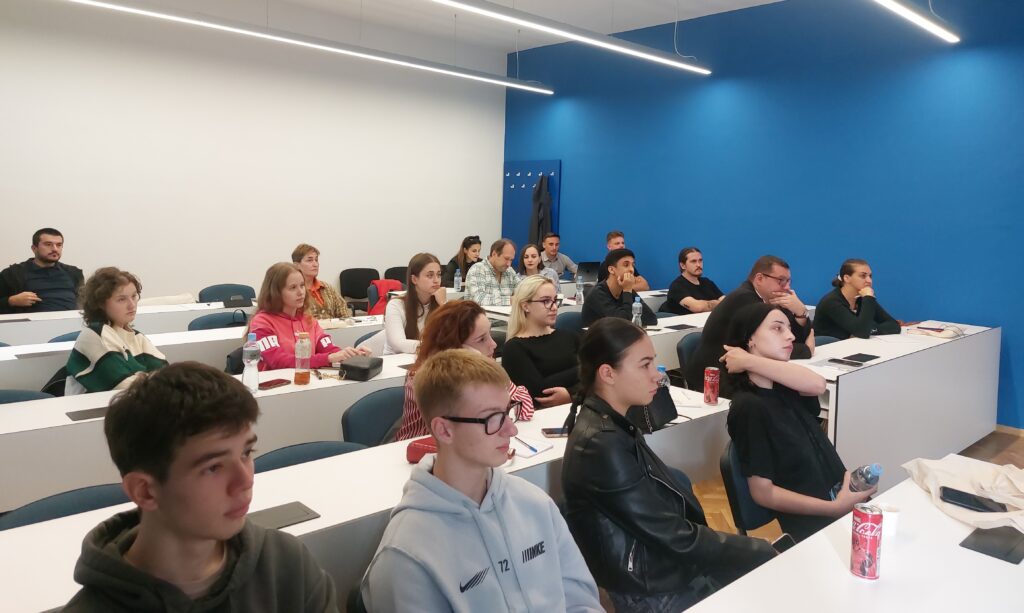
The event was opened by the Vice-Dean of the Faculty of Civil Engineering, Slobodan Ognjenović, PhD, who welcomed the participants and emphasized the importance of such initiatives in shaping the future of the construction industry.
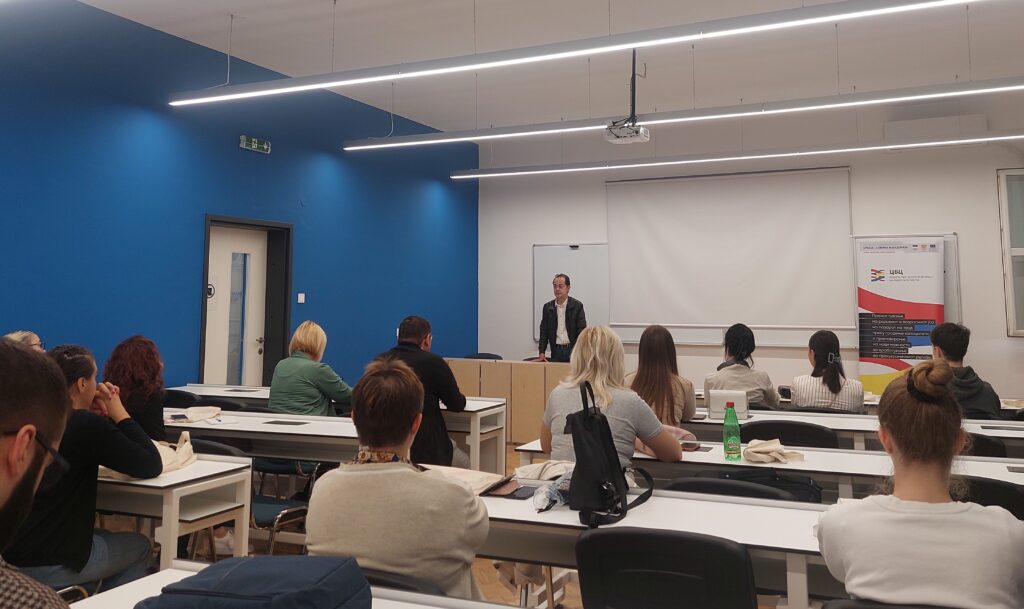
The training was led by Professor Dr. Zlatko Zafirovski, accompanied by presentations and expertise from a group of distinguished guest speakers: Vasko Gacevski, MA, Riste Ristov, MA, Ivona Nedevska, MA, Ivona Nedevska Trajkova, MA, Frosina Panovska Georgievska, MA, Natasha Malijanska Andreevska, MD, Natasha Nedelkovska, and MD, Marija Docevska Jovanova.
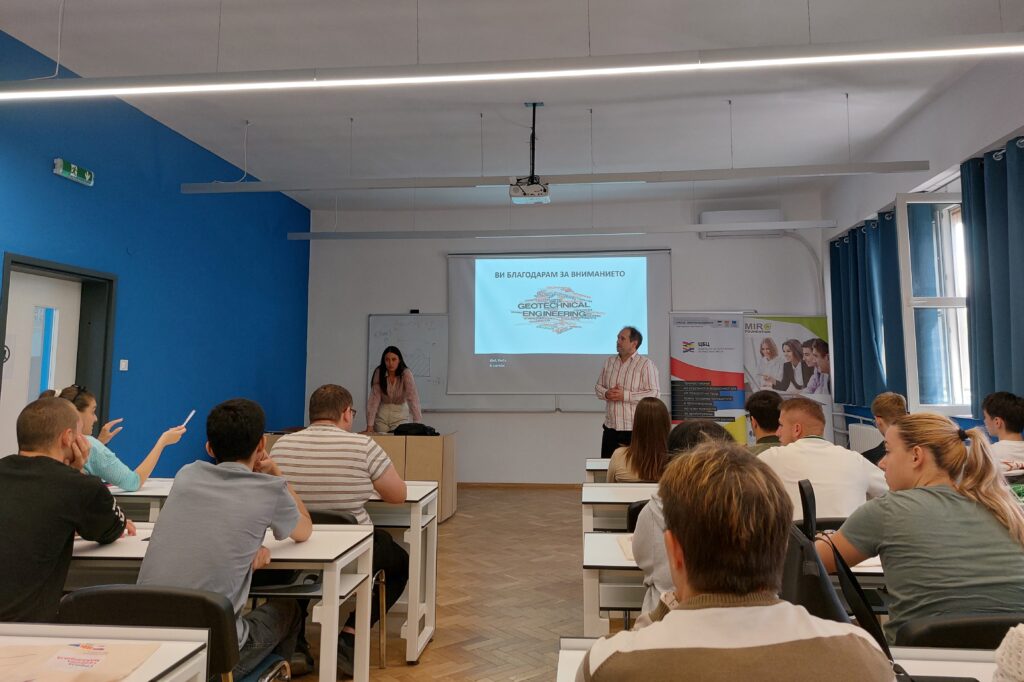
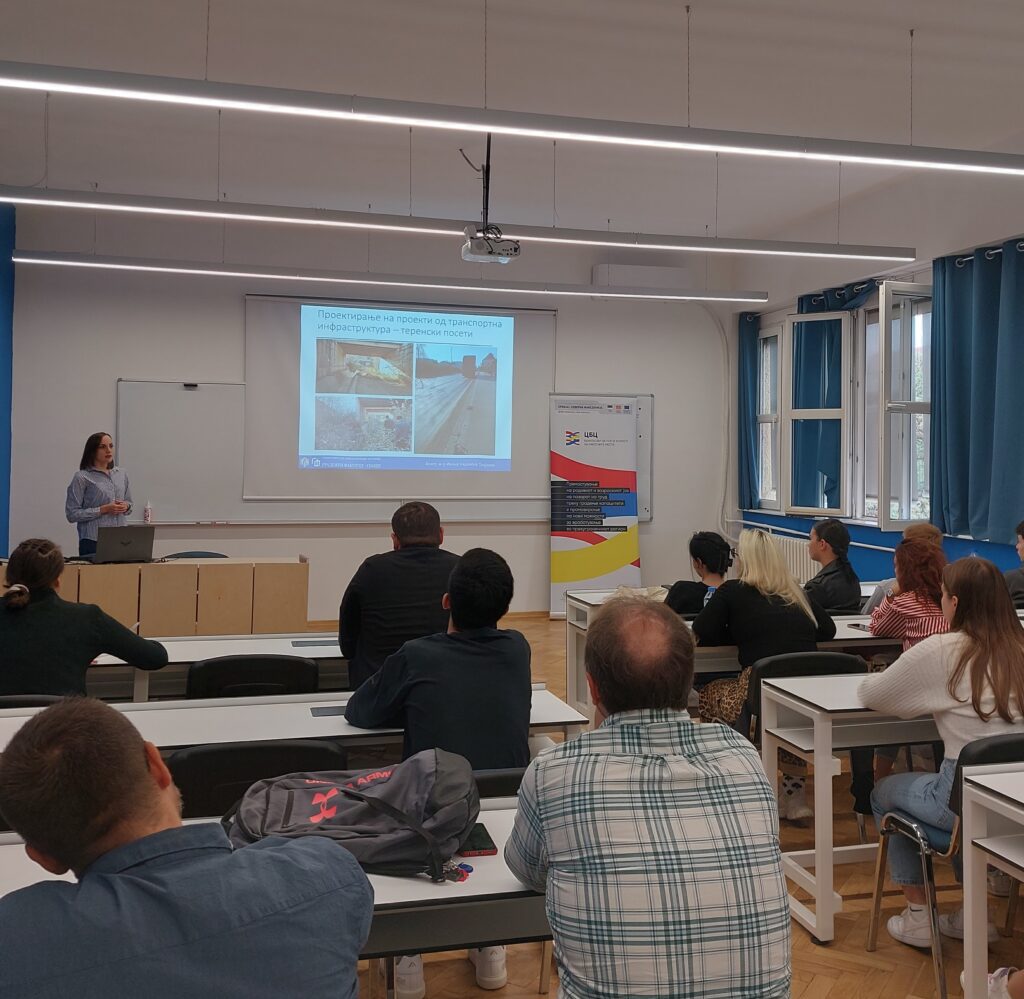
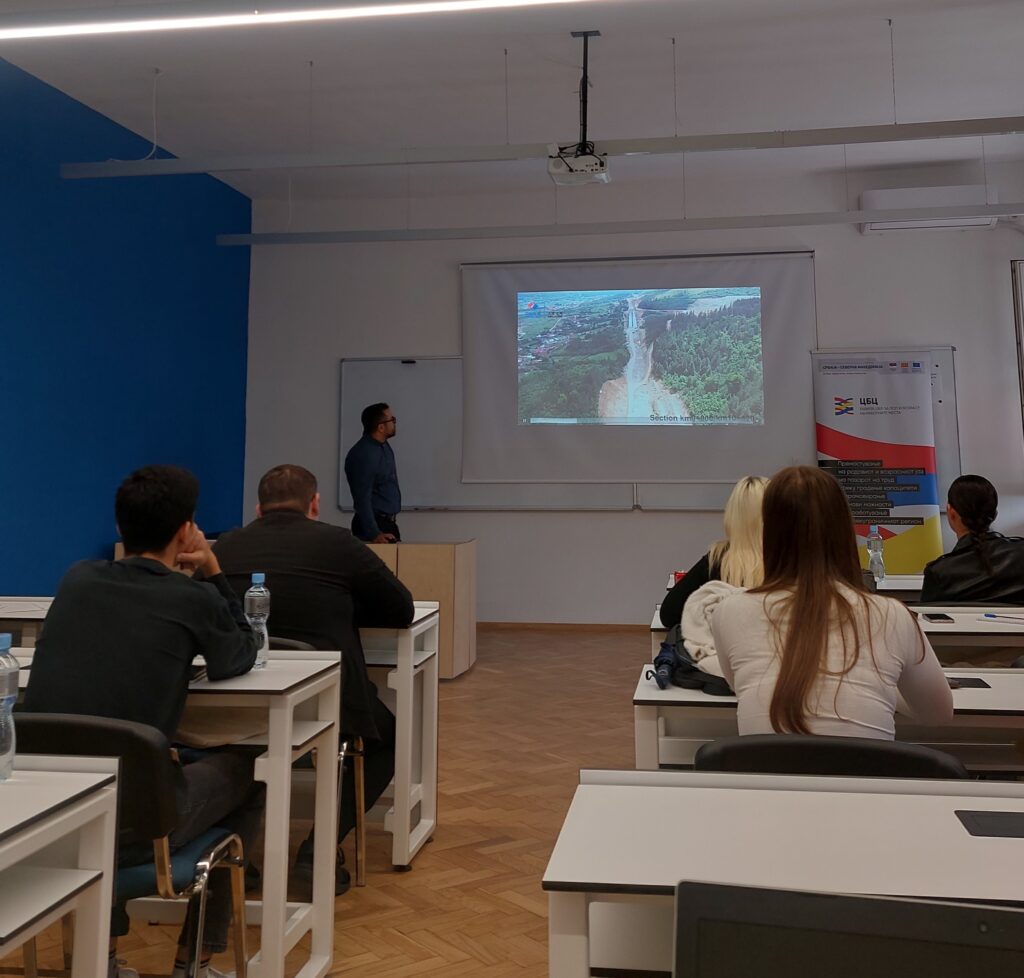
During the sessions, participants addressed a wide range of topics, with dynamic discussions following each presentation. Attendees were encouraged to exchange views and deepen their knowledge of pressing issues and opportunities in the sector.
The sessions were dedicated to the following key industry topics:
- Construction and its perspectives
The training began with an exploration of the current and future perspectives of the construction sector. The speakers highlighted key challenges in the industry such as sustainability, new technologies and urban development trends, laying the foundation for understanding the broader impact of construction on the economy and society.
- Transport infrastructure
This session focused on the essential role of transportation infrastructure in connecting communities and supporting a nation’s economic growth. Participants reviewed the design and maintenance of transportation networks, including roads and bridges, and discussed innovations that could improve the resilience and efficiency of these structures in the future.
- Organisation and dams
A keynote of the training was a session on dam construction and water resources management. This session covered the engineering principles behind dam construction and the environmental challenges involved. Participants discussed case studies, the country’s hydro potential, and the challenges of balancing infrastructure needs with environmental sustainability, highlighting how optimal water resources management can drive economic growth and support sustainable development.
- Geotechnics and geodesy
Geotechnical engineering and geodesy are key to ensuring the stability and sustainability of construction projects. This session covered soil behaviour, foundation design, and the art of land surveying. Participants engaged in discussions about how these fields integrate with the overall safety and success of a project, with real-world examples to highlight key principles.
- Structural engineering
The session on structural engineering focused on the principles of designing and constructing buildings and infrastructure. Participants examined both traditional techniques and modern innovations, discussing material selection and strategies for ensuring safety and resilience in different environments. This session highlighted the key role of structural engineering in developing safe and sustainable buildings.
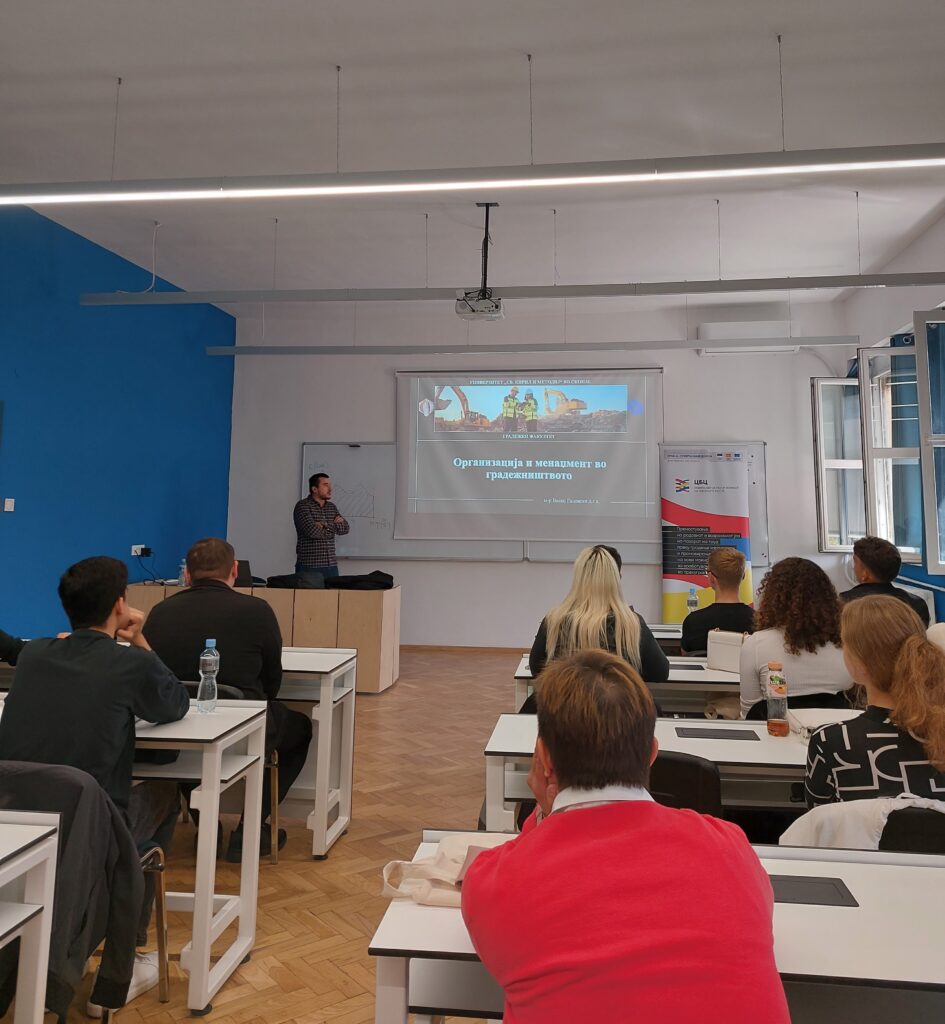
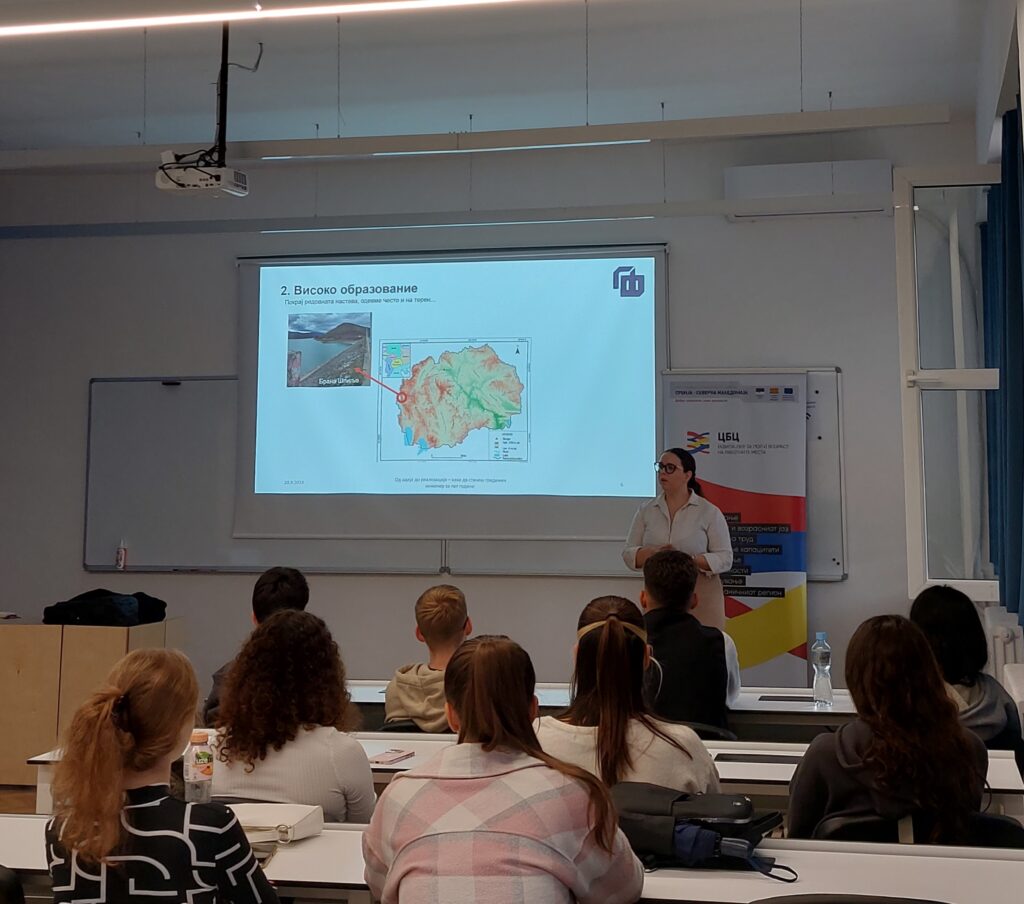
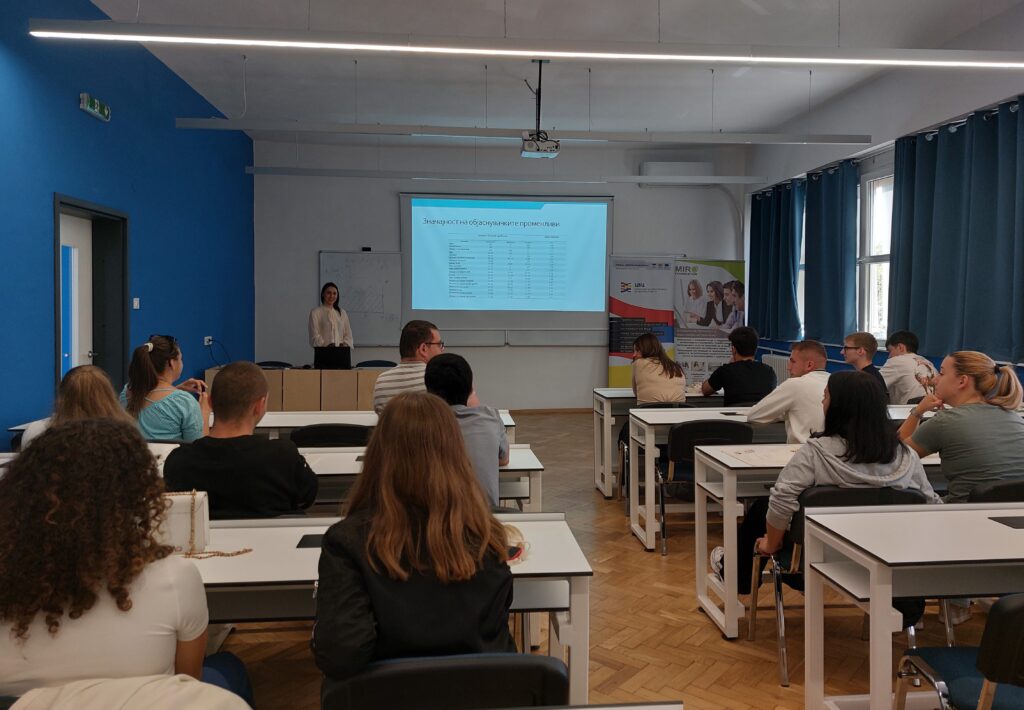
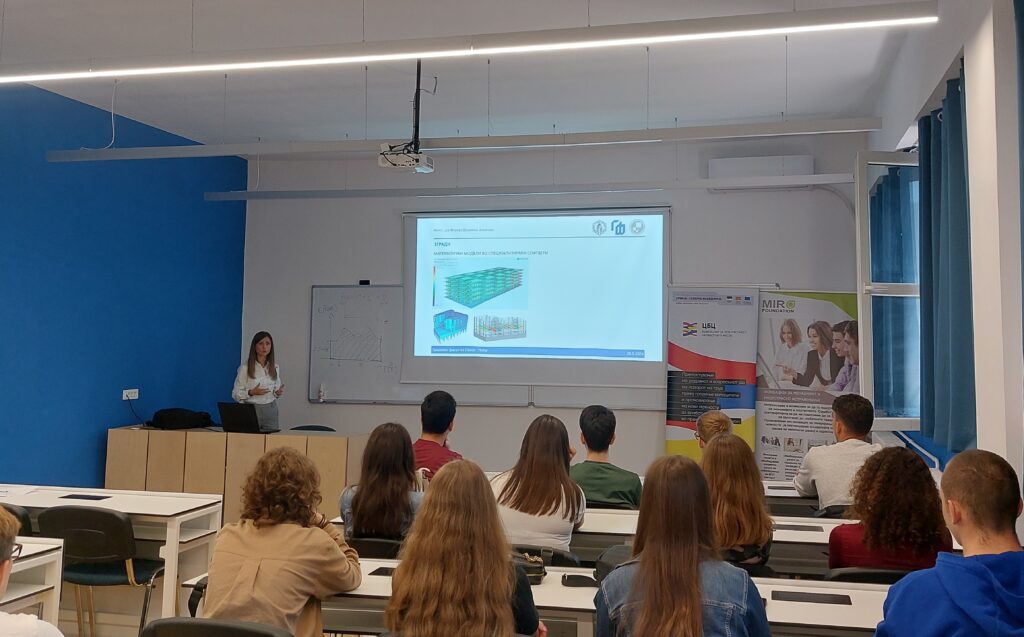
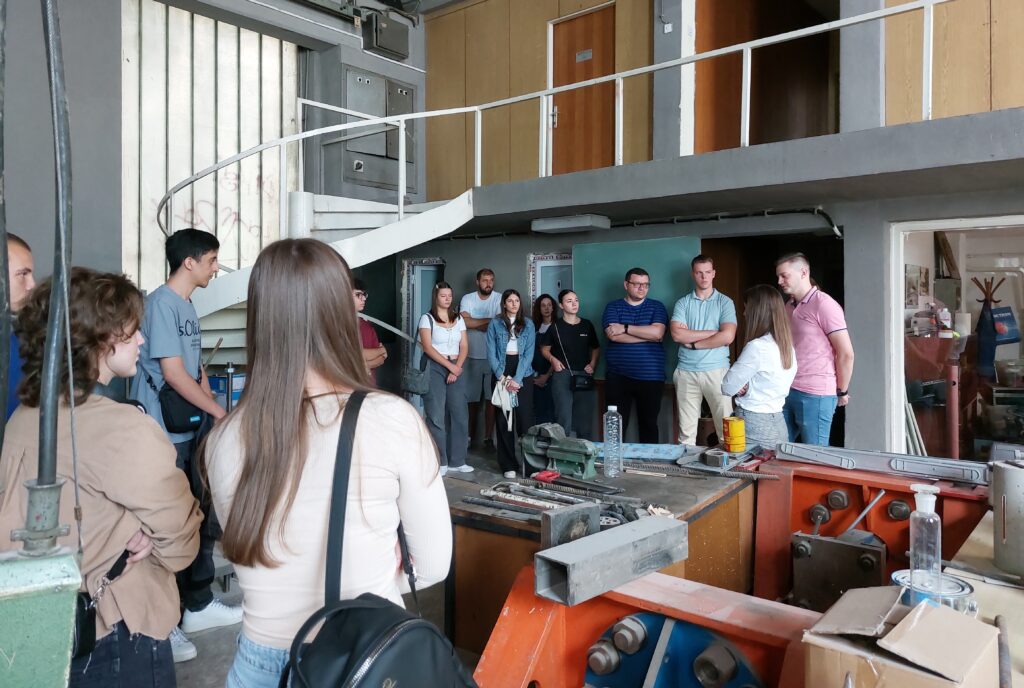
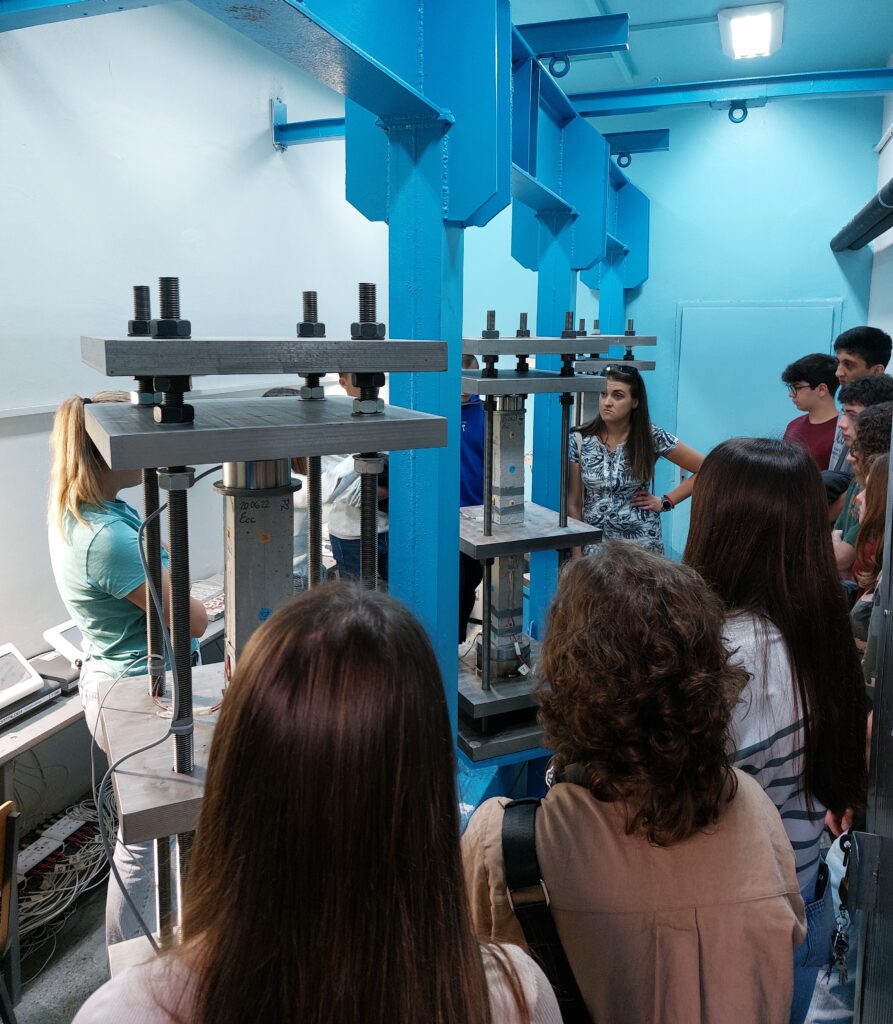
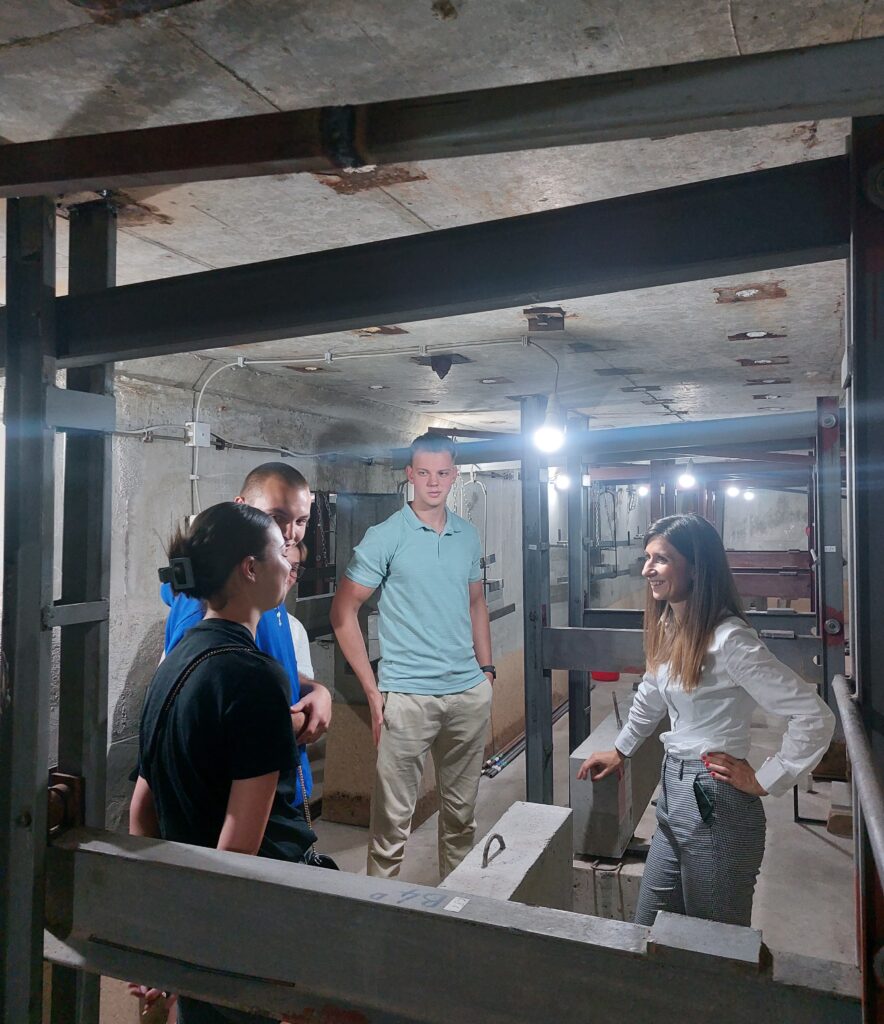
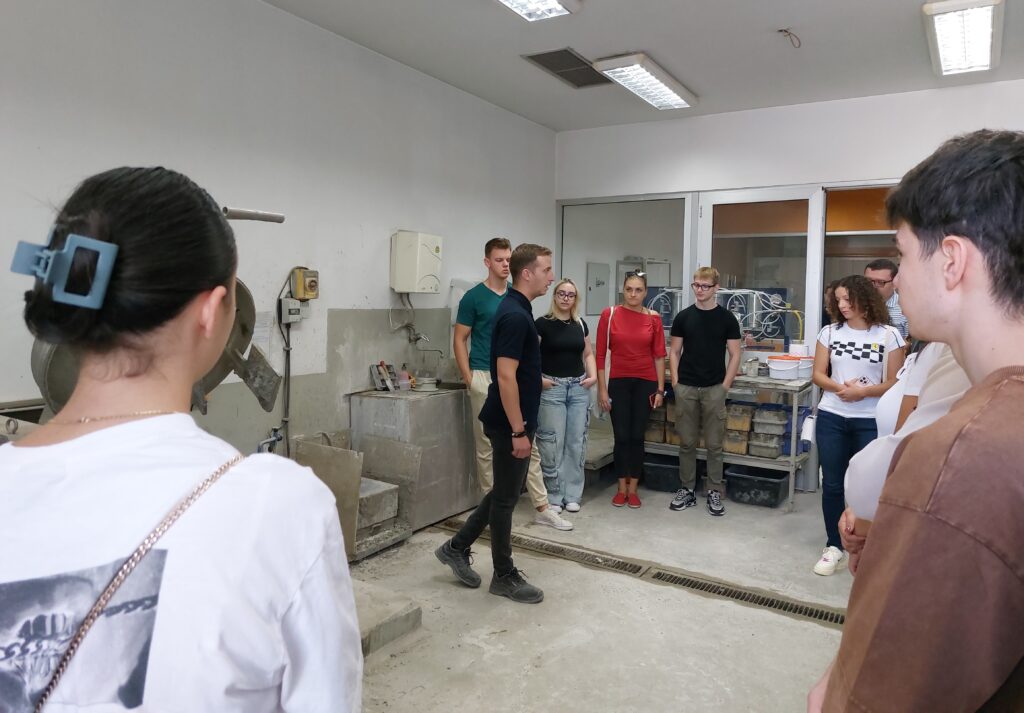
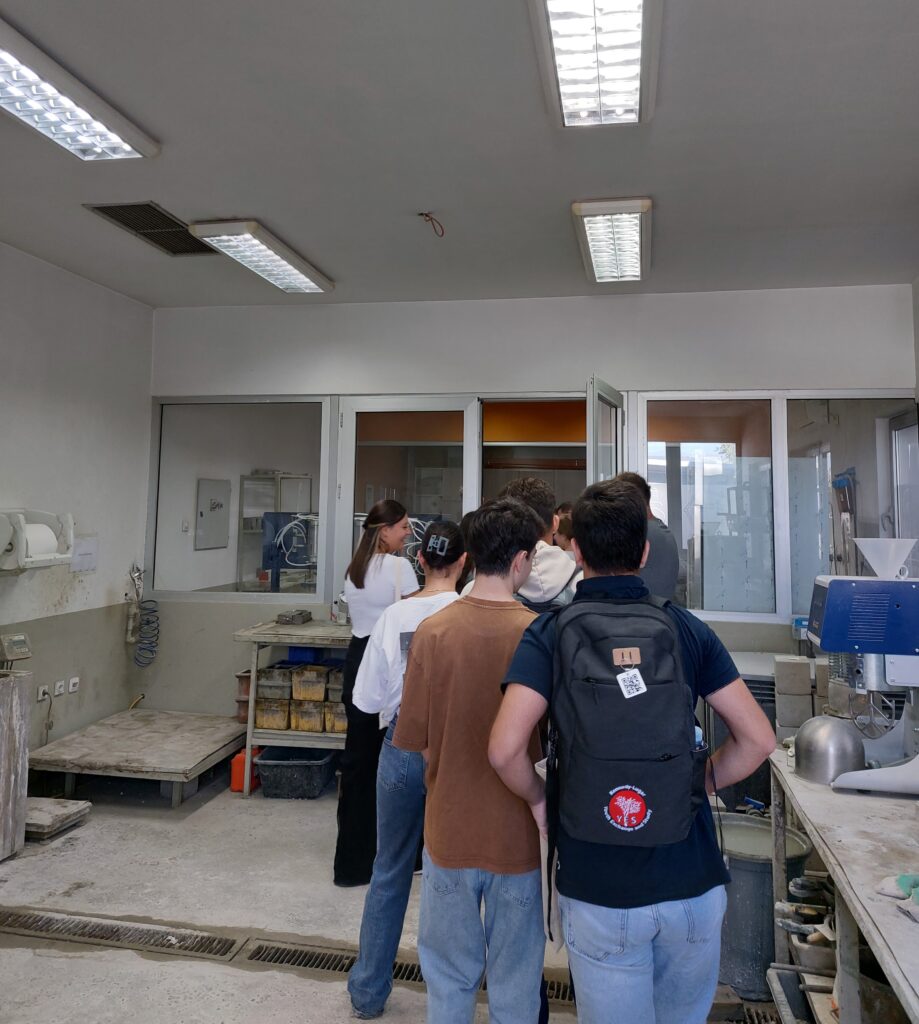
We also took a tour of various laboratories at the Faculty of Civil Engineering, where employees explained their research and the practical application of their work in the field of civil engineering.
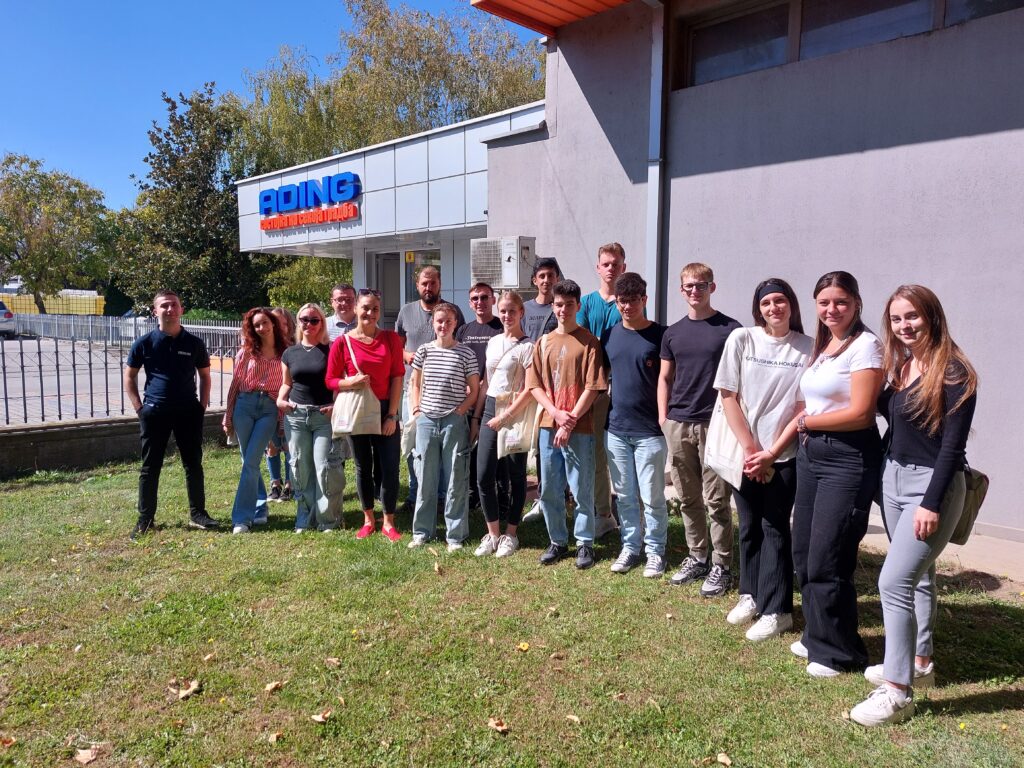
The training concluded with a field visit to ADING, one of the leading companies in the construction industry. This visit allowed the participants to see how theoretical knowledge is applied in practice, with the opportunity to observe daily operations, production processes and learn more about employment and internship opportunities in a dynamic and innovative environment.
Throughout the six days, the high level of interaction and engagement from the participants demonstrated their enthusiasm and commitment to learning. Discussions were lively, with a focus on applying theoretical knowledge to solve real-world problems and exploring new ideas for the future of construction in Macedonia.